
𝗞𝗲𝘆𝗻𝗼𝘁𝗲 𝗔𝗱𝗱𝗿𝗲𝘀𝘀: 𝗔 𝗩𝗶𝘀𝗶𝗼𝗻 𝗳𝗼𝗿 𝗮𝗻 𝗜𝗻𝗰𝗹𝘂𝘀𝗶𝘃𝗲, 𝗗𝗮𝘁𝗮-𝗣𝗼𝘄𝗲𝗿𝗲𝗱 𝗖𝗿𝗲𝗱𝗶𝘁 𝗘𝗰𝗼𝘀𝘆𝘀𝘁𝗲𝗺 𝗶𝗻 𝗨𝗴𝗮𝗻𝗱𝗮
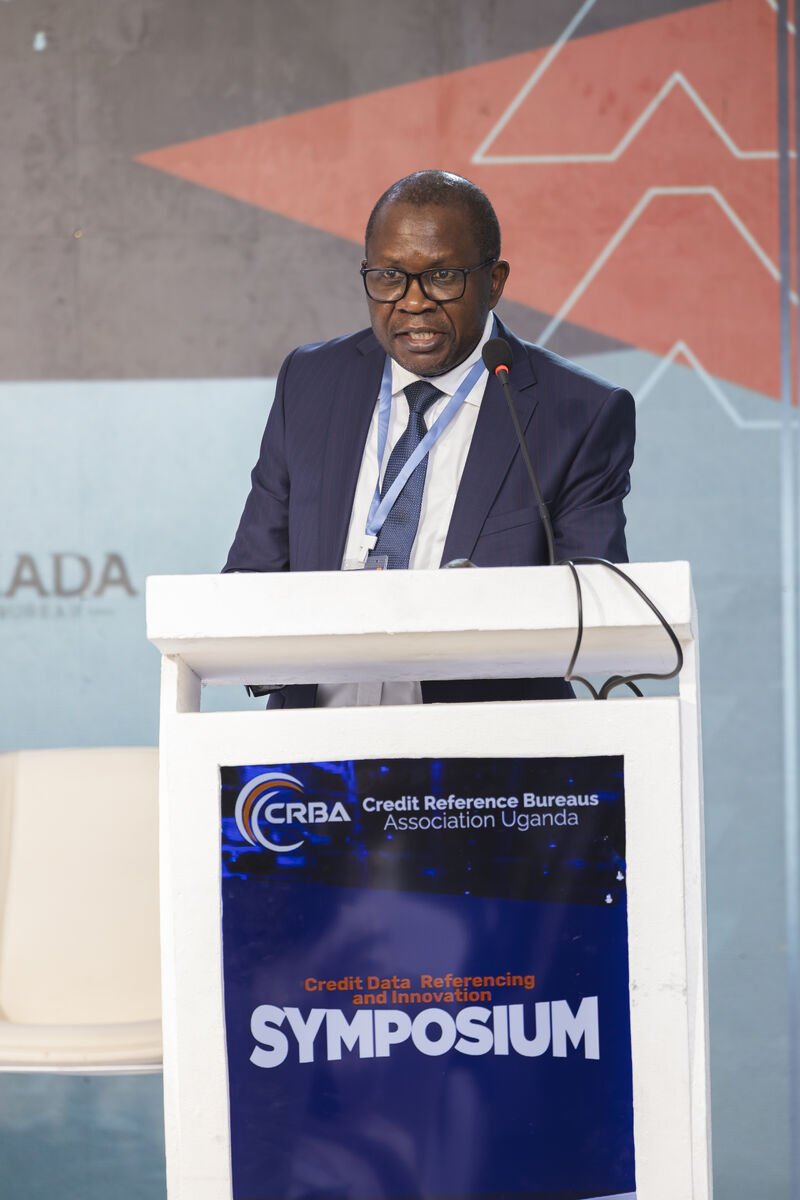
At the CRBA Symposium, Mr. David Kalyango, Executive Director Supervision, Bank of Uganda delivered the keynote address, in which he highlighted Uganda’s progress in financial inclusion, driven by digital payments, mobile money, and supportive regulatory reforms. He reflected on the 2022 CRB Regulations, which widened credit data contributions to banks, Tier 4 MFIs, SACCOs, utilities, and semi-formal/other lenders, enabling richer borrower profiles, better risk assessment, and responsible lending.
We noted the following, 𝗸𝗲𝘆 𝗽𝗿𝗶𝗼𝗿𝗶𝘁𝗶𝗲𝘀 for an inclusive credit ecosystem include:
1. Expand full-file reporting across diverse data sources to improve inclusion and risk-based lending.
2. Strengthen identity-linked credit data using NIN for accurate verification and borrower tracking.
3. Integrate government program data (e.g., PDM) to help underserved groups build credit histories.
4. Increase SACCO and registered society participation to capture grassroots financial activity.
5. Use alternative data (mobile payments, savings groups, agent networks) to close gender and youth gaps.
6. Prioritize consumer protection through strong governance, transparency, and redress mechanisms.
7. Enforce data privacy compliance with consent-driven, secure data usage under the Data Protection and Privacy Act.
Mr. Kalyango called for a coordinated national effort to build a trusted, data-driven credit ecosystem that expands access, supports responsible borrowing, and ensures inclusivity for all Ugandans, including farmers, youth, women, refugees, and micro-enterprises.