
𝗦𝘁𝗿𝗲𝗻𝗴𝘁𝗵𝗲𝗻𝗶𝗻𝗴 𝗨𝗴𝗮𝗻𝗱𝗮’𝘀 𝗗𝗶𝗴𝗶𝘁𝗮𝗹 𝗖𝗿𝗲𝗱𝗶𝘁 𝗘𝗰𝗼𝘀𝘆𝘀𝘁𝗲𝗺 𝗳𝗼𝗿 𝗠𝗦𝗘𝘀: 𝗥𝗲𝘀𝗲𝗮𝗿𝗰𝗵 𝗜𝗻𝘀𝗶𝗴𝗵𝘁𝘀 & 𝗮 𝗖𝗮𝗹𝗹 𝗳𝗼𝗿 𝗜𝗻𝘁𝗲𝗴𝗿𝗮𝘁𝗶𝗼𝗻
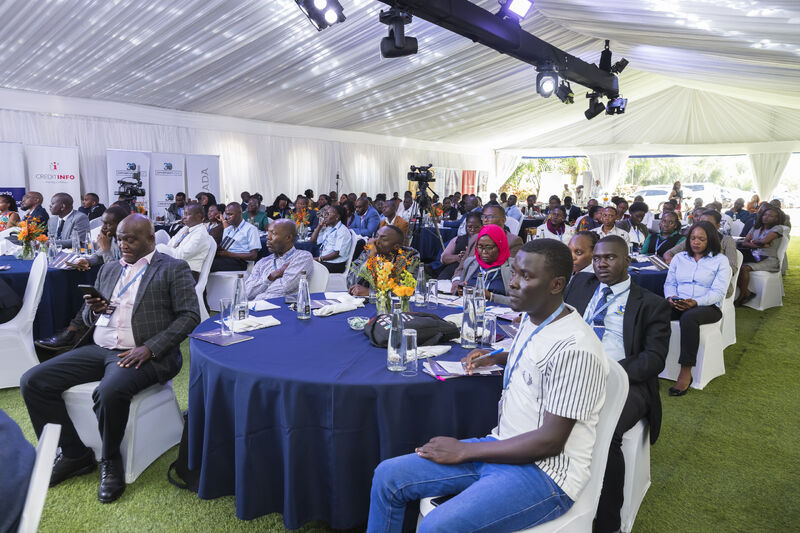
One of the most impactful sessions at the Credit Data, Referencing & Innovation Symposium was the online presentation by David Kruijff, Chairperson of the Supervisory Board at Musoni BV, who unveiled the latest United Nations Capital Development Fund (UNCDF) research on building an inclusive digital credit ecosystem for Uganda’s MSEs.
David reminded us that micro and small enterprises account for nearly 90% of Uganda’s workforce, yet most remain excluded from formal lending. His research revealed that Uganda’s digital creditmarket consists of diverse business models serving different needs from asset and liquidity finance to supply chain-linked credit. But the takeaway was clear: no single innovation can drive nationwide inclusion.
He underscored the critical roles of:
🔹 Member-based organizations as the grassroots operating system of rural finance
🔹 Digital infrastructure especially MNO rails, PSP interoperability and alternative data
🔹 Credit Reference Bureaus evolving into the trust layer that can bring millions of invisible MSEs into view
And his message could not have been more direct:
Integration across actors, not isolated solutions will determine Uganda’s inclusion success.